During this recent COVID19 crisis technology has proven, again, to have a major role on our daily basis.
Physical meetings have been restricted and the usage of message applications has increased drastically during these few months, see Zoom or WhatsApp. These behaviours have not been different in the health sector. Due to the situation telehealth has been broadly adopted.
Telehealth or telemedicine can be defined as the distribution of health-related services and information via electronic information and telecommunication technologies. Medical appointments were converted into remote appointments and the follow up of the patients have to be done remotely.
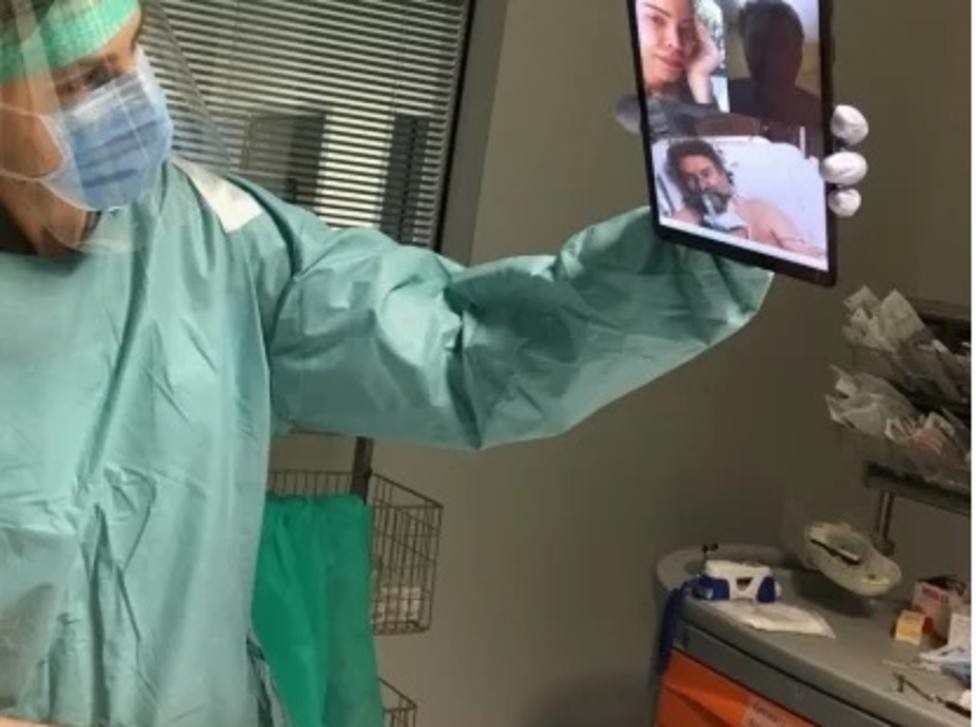
Furthermore, the impossibility of visiting COVID19 infected people by families was addressed, in some cases, with technologies.
BYOD (Bring Your Own Device)
These situations were addressed using the personal devices of health workers. Most hospitals have BYOD policies, allowing the staff to bring and use their own devices. This generates the necessity to extend cybersecurity from Hospital devices to personal devices.
These smartphones and tablets are used for telehealth services and sensitive information can be stored or accessed through them. ProTego project is aware of this situation and because of that, from the very beginning has been working in offering new methods of mobile device security.
Mobile device security
To offer mobile device security an Endpoint Detection and Response (EDR) is being developed as a tool of the ProTego toolkit. As the name suggests and EDR is in charge of endpoint, in this case, mobile devices, protection. During 2019 several EDR focused on mobile protection has been presented, like CrowdStrike https://www.crowdstrike.com/endpoint-security-products/falcon-for-mobile/, but ProTego is developing a novel technology based on continuous authentication.
How continuous authentication works?
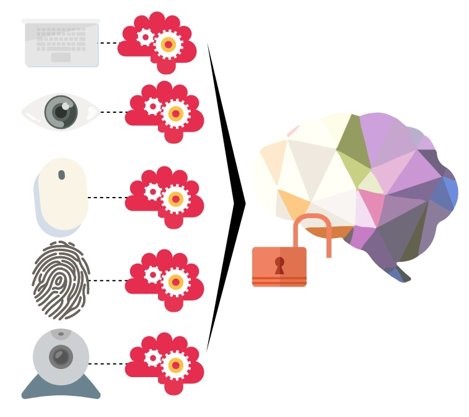
Continuous authentication (CA) is a method of verification that continuously monitors and validates users’ identity based on collected data. ProTego is developing a technology capable to identify the authorized users and unauthorized users of mobile devices through this technique. For example, CA can detect if a device is stolen or if someone stole the credentials of a health worker.
The ProTego CA system retrieves information from several sources like camera, keyboard inputs or other smartphone sensors. Using those sensors ProTego CA can identify is someone non authorized is using the mobile or something unusual is happening inside the phone, like running malware. Furthermore, the decisions of the ProTego CA come from different artificial intelligence and machine learnings models that have proven to be one of the best ways to detect anomalies.
This blog post was written for the ProTego project by Carlos Cilleruelo Rodríguez (Universidad de Alcalá).