
We aim at understanding systems in its broadest sense. A major objective is mathematical engineering (engineering mathematics) with the development of models and methods that are generically applicable to different application areas. Mathematical modelling techniques are investigated from different points of view in an interdisciplinary and integrated fashion. It involves areas as numerical linear and multilinear algebra, optimization modelling and convex optimization, systems and control theory, system identification, statistical/machine learning, neural networks, signal processing and pattern recognition, complex networks/systems and quantum information theory. Specific applications are e.g. in data driven modelling, advanced process control, data mining, biomedicine and bioinformatics, knowledge discovery and information retrieval
Keywords:
- Data-driven modelling & machine learning, data analysis
- Support vector machines and kernel-based models
- Neural networks and deep learning
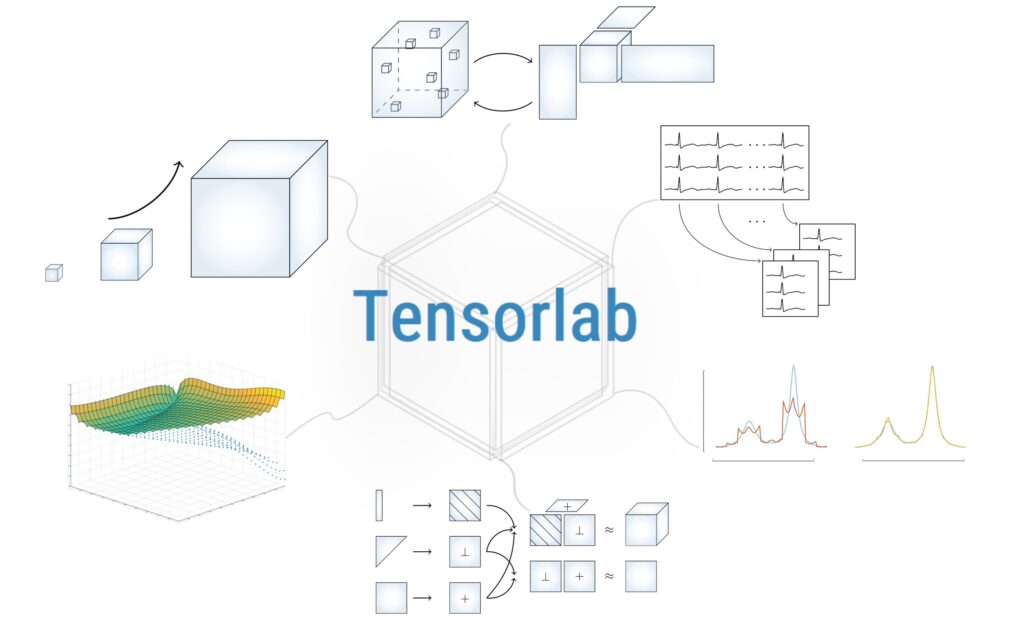
- Tensor-based methods
- System identification, model structures
- Uncertainty characterization
- Temporal and spatiotemporal data models
- Complex networks
- Model predictive control
- Convex and nonconvex optimization
- Neuromorphic control
- Spiking control systems
- Event-based sensing, learning, and control
- Multivariate polynomial equations and optimization
- Multidimensional system theory
- Optimal Estimation and Data Assimilation

Professors Involved


For more information please visit the Systems, Models and Control homepage.