
STADIUS
The STADIUS Center for Dynamical Systems, Signal Processing, and Data Analytics pursues excellence in achieving an explicit and synergistic combination of fundamental and applied research:
- With core concepts from linear and multi-linear algebra, statistics, optimization, machine learning, and artificial intelligence, the fundamental research is focused on the development of mathematical engineering tools and numerical algorithms.
- Building upon this foundation, the applied research is geared towards putting these tools and algorithms into motion in order to advance the current state of technology across a wide range of relevant application fields, being inspired by Grand Engineering Challenges. It includes industrial automation and control, speech and audio signal processing, digital communications, biomedical data analysis and signal processing, bioinformatics and systems biology.

STADIUS is a research division of Department of Electrical Engineering at the KU Leuven.
STADIUS is headed by Alexander Bertrand and has currently 18 professors, more than 100 PhD students and about 20 postdoctoral researchers.
History
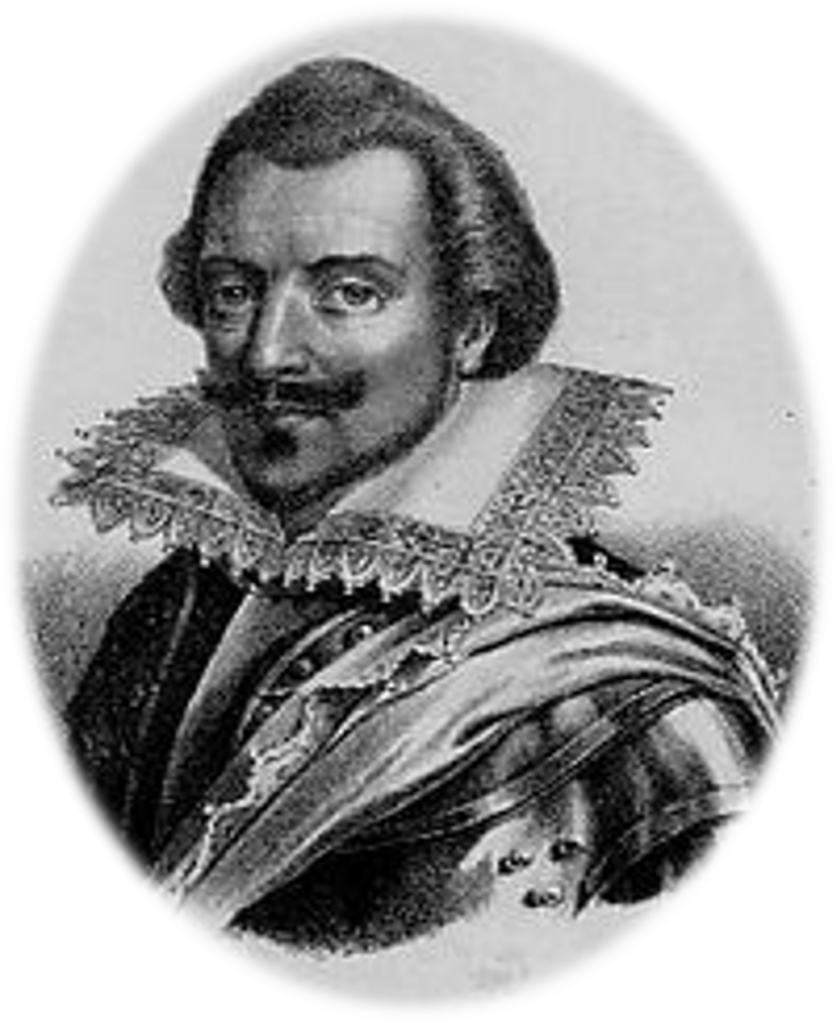
The Flemish astronomer, astrologer, and mathematician, Johannes Stadius, computed the ephemeris tables in 1554, that remained the primary reference for predicting the position of celestial bodies in the sky on any given day. These were used for several practical and societal applications for decades to come.
The STADIUS group develops and applies mathematical engineering for addressing technological and societal issues.
Broadly, mathematical engineering is the use of generic information processing methodologies such as numerical linear and multilinear algebra, statistics, differential geometry, and optimization.