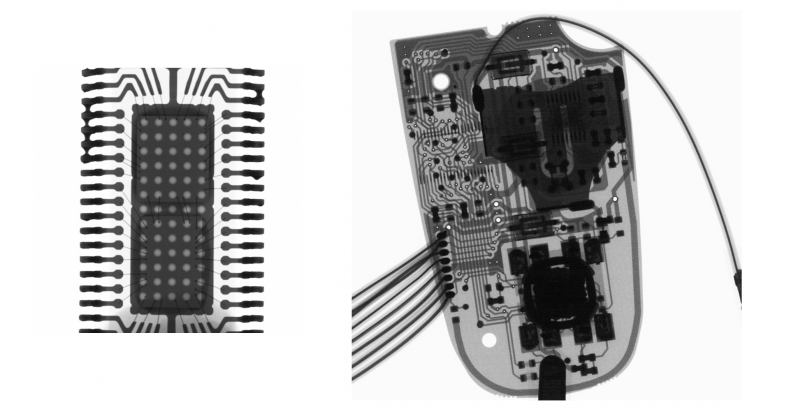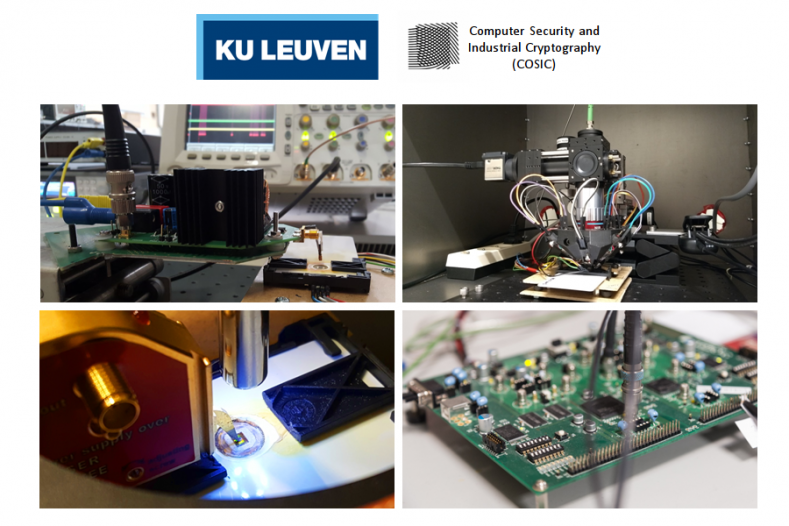

COSIC performs research on the areas of information security, cryptography and privacy. Around 15 researchers are active in the Embedded Systems Security team headed by Prof. Ingrid Verbauwhede, dealing with the design and implementation of building blocks for security. These include cryptographic algorithms and protocols, but also critical components such as true random number generators (TRNGs), physical uncloneable functions (PUFs) or trusted computing primitives running on virtually any type of embedded platform: microcontrollers, RFID tags, FPGAs, ASICs, CPUs, etc.
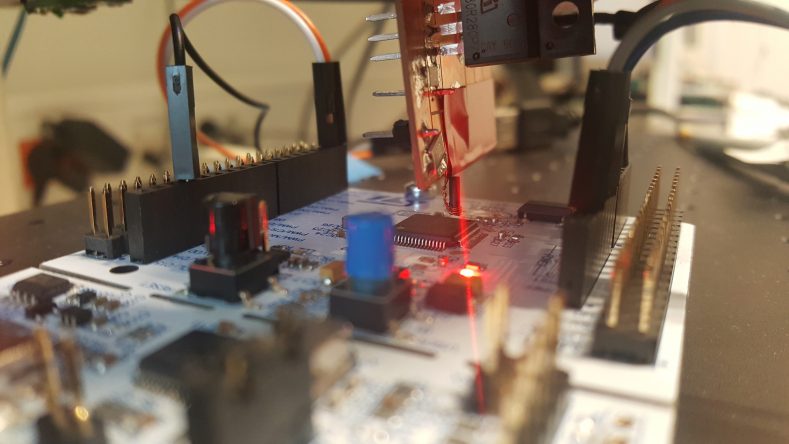
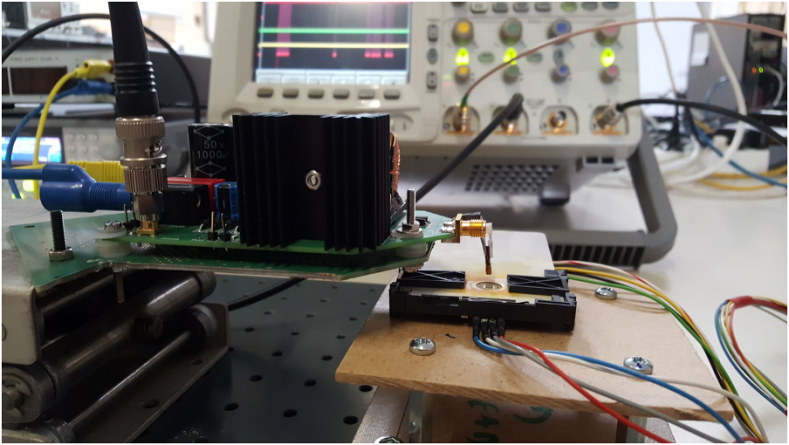
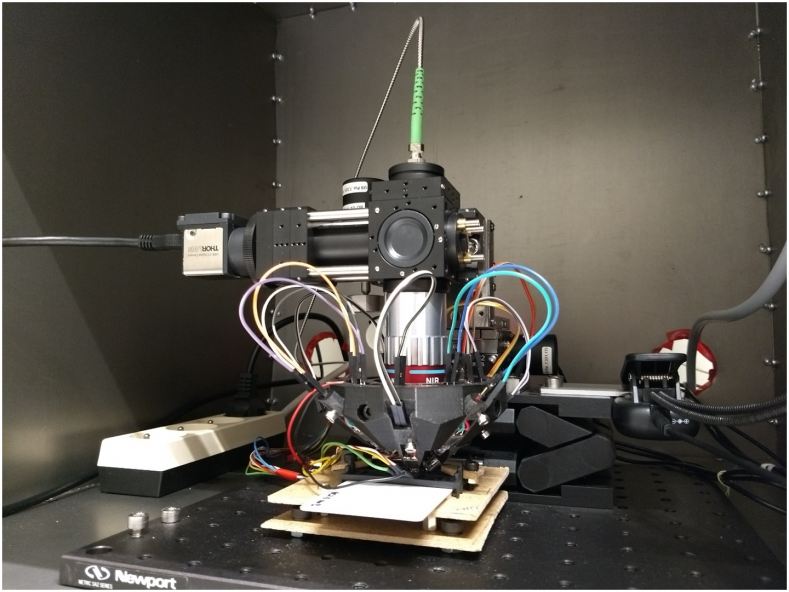
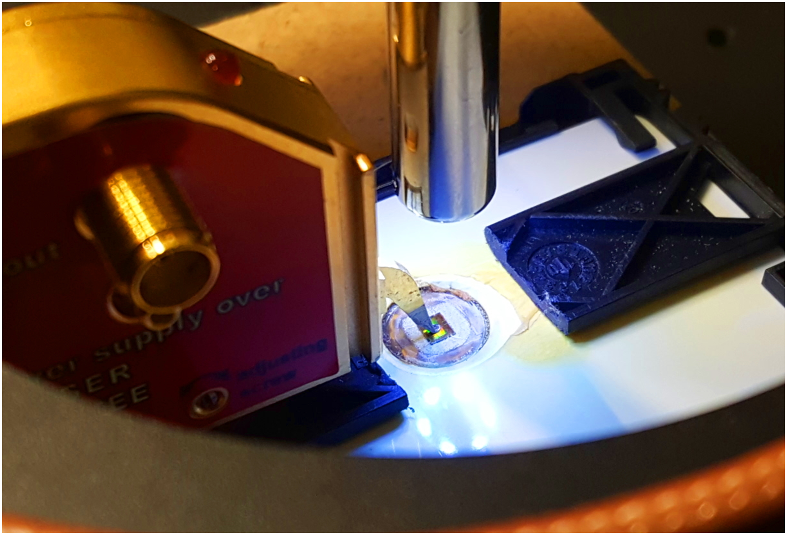
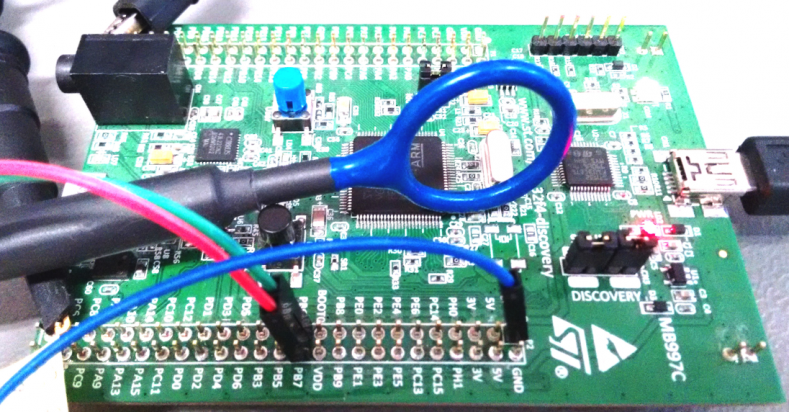
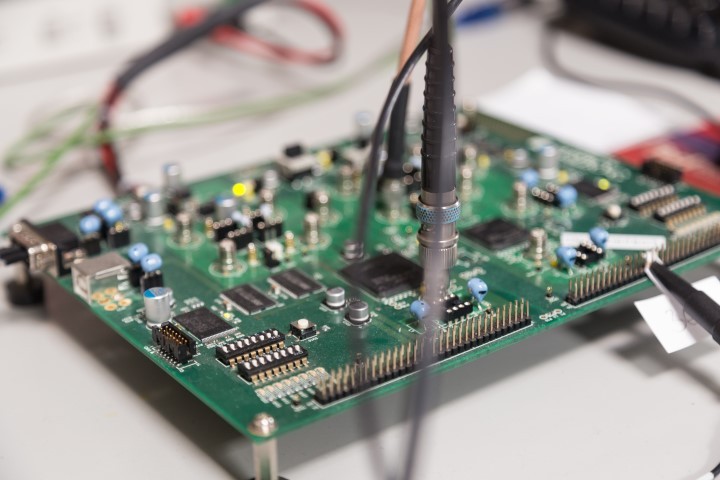
The Security Evaluations Lab is devoted to assess the security of embedded designs against physical attacks. These are powerful techniques capable of extracting secret cryptographic keys or sensitive data from electronic devices. There are two main families of attacks. Side-channel attacks exploit physical properties inherent to hardware circuits to gain information about their inner behavior. They are passive: the attacker monitors and analyses information leaked through physical channels during normal operation. Classical side-channel sources include the execution time, power consumption and electromagnetic (EM) emanations of circuits. Fault attacks on the other hand exploit transient malfunctions caused by direct tampering with circuits or their close environment. They are active: the attacker intentionally triggers errors in the hardware to disrupt the expected control and/or data flows in the system. Typical fault injection methods include clock glitches, voltage spikes, EM pulses, or the use of lasers.
The lab is used in the context of PhD research topics, in the context of Flemish and European H2020 projects and in direct collaboration with industrial partners. It contains all necessary equipment to test the robustness of implementations against a wide spectrum of physical attacks. The lab has been steadily growing for the past 15 years, consistently with advances in the research field. But the largest extension has taken place in the last 5 years, thanks to a 400k EUR project grant from the Hercules Foundation. This investment has allowed upgrading the lab infrastructure and equipment according to the current needs and future research activities of the group. The lab has moved to newer installations that feature, among others, separated research zones for students and PhD researchers. The latter can be configured as a highly-confidential area with strict access control for sensitive evaluations.
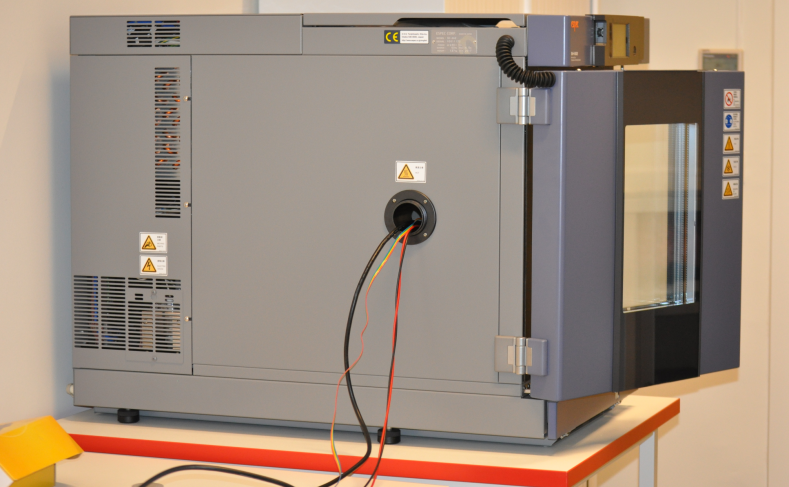
Our lab portfolio includes equipment to perform advanced side-channel and fault attacks.